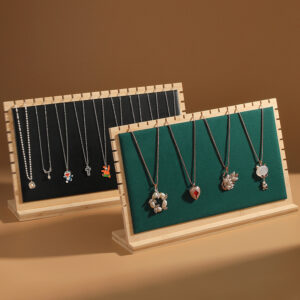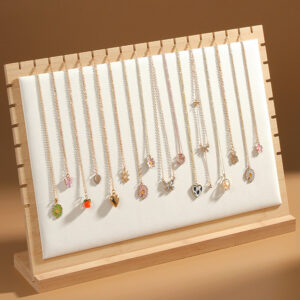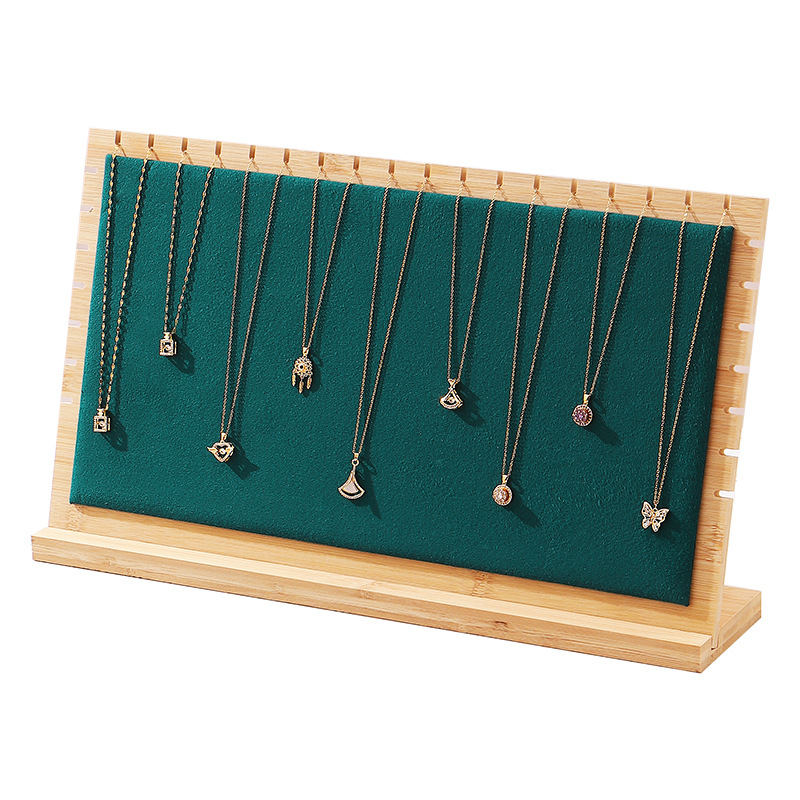
In the luminous world of fine jewelry, where craftsmanship meets desire, the jewelry display stand serves as both stage and storyteller. These carefully designed structures do far more than merely hold necklaces, rings, and bracelets—they transform precious metals and gemstones into objects of longing, guiding the viewer’s eye and elevating the perceived value of every piece they showcase. From the velvet-draped interiors of heritage boutiques to the minimalist aesthetics of contemporary concept stores, jewelry display stands are silent yet powerful protagonists in the theater of luxury retail.
The Philosophy of Presentation: Why Display Matters
Jewelry occupies a unique position in the retail landscape. Unlike clothing or electronics, these items are often small in scale but immense in emotional and financial value. A diamond engagement ring might measure mere millimeters, yet it carries the weight of a life-changing commitment. This paradox of physical delicacy versus profound significance makes presentation absolutely critical.
Psychological research consistently demonstrates that context fundamentally alters perception. The same necklace displayed on a cluttered countertop versus an illuminated velvet bust can command vastly different price expectations and emotional responses. Jewelry display stands create this crucial context—they frame pieces as treasures worthy of admiration, desire, and investment.
The tactile nature of jewelry shopping adds another dimension to display design. Customers want to touch, try on, and intimately experience pieces before committing to purchase. Effective display stands must balance security with accessibility, protecting valuable inventory while inviting interaction. This delicate equilibrium has driven centuries of innovation in display technology and design.
A Historical Journey: From Velvet Cases to Digital Displays
The lineage of jewelry display stretches back to ancient civilizations. Egyptian merchants presented gold amulets on carved stone pedestals. Renaissance jewelers used velvet-lined cabinets with intricate marquetry to impress aristocratic clients. The Victorian era saw the rise of the glass display case, allowing passersby to admire sparkling gems while maintaining security.
The 20th century brought revolutionary changes. Art Deco influences introduced geometric forms and mirrored surfaces that amplified the brilliance of diamonds and precious metals. The mid-century modern movement embraced clean lines and organic shapes, with designers like George Nelson and Charles and Ray Eames influencing retail aesthetics. Department stores transformed jewelry shopping into theatrical experiences, with rotating displays, dramatic lighting, and narrative arrangements.
Today’s jewelry display landscape is remarkably diverse. Heritage brands like Cartier and Tiffany maintain traditions of opulent presentation, using mahogany, leather, and brass to communicate timeless luxury. Contemporary designers and direct-to-consumer brands often prefer minimalist acrylic, concrete, and sustainable materials that align with modern values of transparency and environmental consciousness.
The Anatomy of Effective Jewelry Display: How a Quality Jewelry Display Stand Elevates Your Pieces
Creating compelling jewelry display stands requires mastery of multiple disciplines: materials science, ergonomics, lighting design, and brand psychology. Each element must work in concert to create a cohesive, captivating presentation.
Material Selection profoundly impacts perception. Velvet and suede in deep jewel tones—emerald, sapphire, burgundy—create rich, tactile backgrounds that suggest luxury and heritage. Leather conveys sophistication and durability. Acrylic and glass offer modern transparency, allowing light to penetrate and illuminate pieces from multiple angles. Natural materials like marble, wood, and stone connect jewelry to earth’s treasures, emphasizing the organic origins of gemstones and precious metals.
Color Psychology plays a subtle but significant role. Black backgrounds create dramatic contrast, making diamonds appear to float in darkness. White and cream suggest purity and elegance, particularly effective for bridal jewelry. Metallic finishes—gold, silver, rose gold—echo the materials of the jewelry itself, creating visual harmony.
Structural Forms have evolved into specialized typologies. Bust displays showcase necklaces in natural wearing positions. Ring stands and finger forms allow customers to visualize how bands will appear on their hands. Earring displays range from simple cards to elaborate tree-like structures. Bracelet ramps and watch pillows present curved pieces in optimal viewing angles. T-bar and ladder stands create vertical interest and maximize surface area in limited spaces.
Lighting Integration has become increasingly sophisticated. LED technology allows precise color temperature control, ensuring that diamonds sparkle with fire and colored gemstones reveal their true hues. Integrated lighting eliminates shadows and reduces eye strain during detailed examination. Some high-end displays incorporate motion sensors, illuminating pieces only when customers approach, creating moments of discovery and delight.
Specialized Solutions for Diverse Contexts
The jewelry industry encompasses vast diversity, from artisanal craft fairs to international auction houses, each requiring tailored display approaches.
Retail Boutiques demand versatility and brand coherence. Modular systems allow seasonal reconfiguration, while consistent material palettes reinforce brand identity. Security features—lockable cases, tethering systems, alarm integration—protect inventory without compromising aesthetics.
Trade Shows and Exhibitions require portability and impact. Lightweight, collapsible stands enable easy transport, while bold designs compete for attention in crowded exhibition halls. Many contemporary designers favor geometric acrylic structures or sustainable cardboard engineering that can be flat-packed and assembled on-site.
Museums and Galleries present historical or artistic jewelry as cultural artifacts. Conservation-grade materials prevent chemical reactions with delicate antique metals. Adjustable supports accommodate pieces of varying scale and fragility. Interpretive elements—labels, magnifying glasses, digital interfaces—enhance educational engagement.
E-commerce Photography has spawned specialized display tools. Invisible stands and floating mounts create the illusion of jewelry suspended in space, ideal for clean white-background product images. 360-degree rotation displays enable comprehensive digital viewing experiences.
Personal Organization represents a growing market segment. Vanity-top jewelry trees, drawer organizers, and travel cases allow individuals to curate and protect their collections at home. These consumer-grade displays often prioritize accessibility and space efficiency over security, emphasizing daily use and personal ritual.
Sustainability and Ethical Considerations
The contemporary jewelry industry faces increasing scrutiny regarding environmental and social responsibility, and display stands are not exempt from these conversations. Fast fashion jewelry has historically relied on disposable plastic packaging and displays, contributing to significant waste streams.
Progressive brands are pioneering circular display solutions: stands crafted from recycled ocean plastics, biodegradable materials, or reclaimed wood from jewelry manufacturing waste. Rental and leasing models for display equipment reduce the environmental impact of temporary retail installations and pop-up events. Modular, repairable designs extend product lifespans, challenging the culture of planned obsolescence.
Ethical sourcing extends to display materials as well. Conflict-free metals, FSC-certified woods, and fair-trade textiles ensure that the presentation of ethical jewelry aligns with the values it represents.
The Future of Jewelry Display
Emerging technologies promise to transform how we present and experience jewelry. Augmented reality (AR) applications allow customers to visualize pieces on their own bodies through smartphone cameras, potentially reducing the need for physical try-on displays. Virtual reality (VR) showrooms enable immersive browsing of entire collections from anywhere in the world.
Smart displays with integrated inventory management automatically track which pieces receive the most attention, providing valuable data for merchandising decisions. Holographic projection may eventually create three-dimensional jewelry presentations without physical stands, though the tactile desire to touch precious objects suggests that material displays will remain relevant.
Biophilic design—incorporating living plants, natural light, and organic forms—responds to growing evidence that connection with nature enhances wellbeing and purchasing behavior. Jewelry displays nestled among moss, stone, and wood create immersive environments that transcend traditional retail.
Conclusion
Jewelry display stands occupy a fascinating intersection of art, commerce, and psychology. These structures must simultaneously protect, present, and persuade, balancing practical requirements with emotional resonance. As the jewelry industry evolves to meet changing consumer values and technological possibilities, display design will continue to innovate, finding new ways to create magic from metal, stone, and light.
Whether in a centuries-old Parisian maison or a cutting-edge digital showroom, the fundamental mission remains constant: to reveal the extraordinary within the small, to transform objects into desires, and to honor the human impulse toward adornment and beauty. The jewelry display stand, often overlooked in favor of the treasures it holds, deserves recognition as a craft unto itself—a discipline where material intelligence, spatial poetry, and commercial strategy converge to create moments of wonder and aspiration.
In the delicate dance between light and shadow, between security and seduction, jewelry display stands choreograph our experience of luxury. They remind us that how we present what we value reflects what we value itself—and that true elegance lies not just in the objects we possess, but in the care with which we choose to share them with the world.