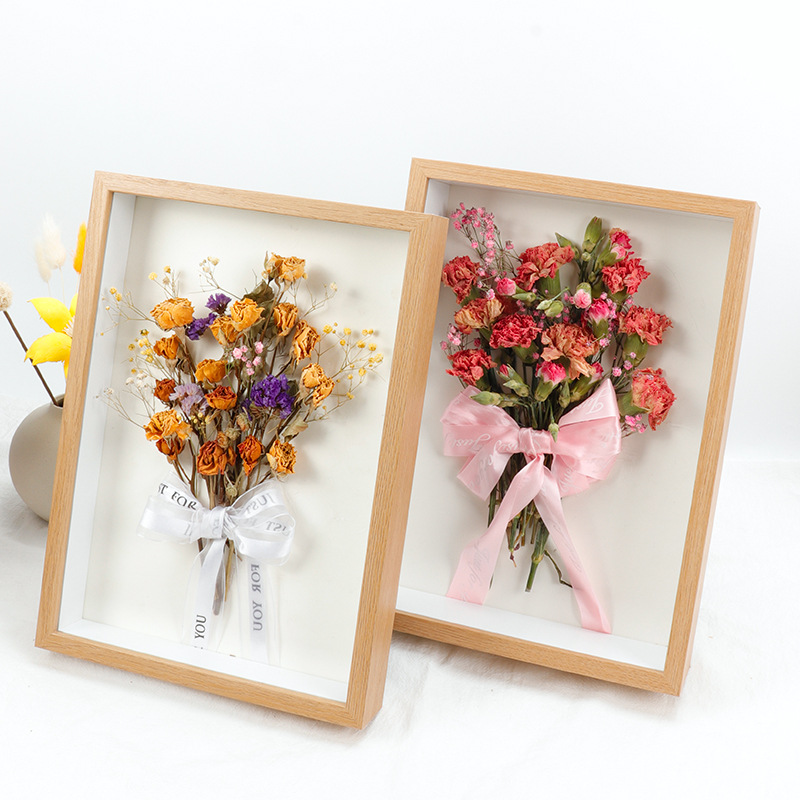
Walk into any home, boutique, or art studio, and you’re likely to spot a shadow box—hanging on a wall, perched on a shelf, or displayed as a centerpiece. But what exactly is a shadow box, and why has it become such a beloved staple in home decor and crafting? Unlike traditional flat picture frames that only showcase two-dimensional art or photos, a shadow box is a deep, hollow display case designed to hold and highlight three-dimensional items: dried flowers, family photos, travel souvenirs, handwritten letters, small crafts, and even tiny mementos that hold sentimental value. It’s more than just a frame; it’s a storytelling tool, a way to preserve fleeting moments, and a versatile piece of decor that adds depth, warmth, and personality to any space. In this blog, we’ll dive into everything you need to know about shadow boxes—from their history and benefits to creative ideas and a step-by-step DIY guide—so you can create your own meaningful 3D displays.
First, let’s start with the basics: What is a shadow box? At its core, a shadow box is a framed structure with a deep interior (usually 1 to 6 inches deep) and a clear front—typically made of glass or acrylic—to protect the items inside while allowing them to be seen. The depth is what sets it apart from regular picture frames; it creates a “shadow” effect (hence the name) that adds dimension to the displayed items, making them pop and feel more alive. Shadow boxes can be made from a variety of materials, including wood, plastic, or metal, and they come in all shapes and sizes—from small, tabletop versions to large, wall-mounted pieces. Some are pre-made and ready to use, while others are designed for DIY customization, letting you put your own personal touch on every detail.
The history of shadow boxes dates back centuries, though they’ve evolved significantly over time. Early versions were used in the 19th century to display taxidermy, natural specimens, and small artifacts—think butterfly collections, pressed plants, or tiny fossils. They were often used by naturalists and collectors to preserve and showcase their finds, and they quickly became a popular way to bring the outdoors inside. Over time, shadow boxes shifted from scientific displays to more personal, sentimental uses. In the 20th century, they became a go-to for preserving wedding bouquets, baby’s first booties, military medals, and other meaningful items that couldn’t be displayed in a flat frame. Today, shadow boxes are a mainstay in DIY culture and home decor, beloved for their versatility and ability to turn ordinary objects into extraordinary art.
One of the biggest reasons shadow boxes are so popular is their versatility. They can be used for almost any purpose, from home decor to gifting, and they work in every room of the house. Let’s break down some of the key benefits of using shadow boxes:
1. Preservation: Shadow boxes protect fragile items from dust, damage, and fading. The clear front keeps items safe while still allowing them to be enjoyed, making them perfect for preserving delicate dried flowers, old photos, or small heirlooms that might otherwise deteriorate over time.
2. Sentimentality: They turn memories into tangible art. Whether you’re preserving a bouquet from your wedding, a ticket stub from your first date, or a child’s drawing, a shadow box lets you display these items in a way that tells a story. Every time you look at it, you’re transported back to that special moment, making it a powerful way to hold onto memories.
3. DIY Friendly: Shadow boxes are incredibly easy to customize, even if you’re not a craft expert. You can paint the frame, add a decorative background, arrange items in unique layouts, or even add lights to make your display stand out. This makes them perfect for anyone who loves to get creative and add a personal touch to their home.
4. Stylish Decor: They blend seamlessly with any decor style, from modern and minimalist to rustic and bohemian. A sleek, black shadow box can add a touch of elegance to a modern living room, while a wooden shadow box with a distressed finish can complement a rustic bedroom. They can be hung on walls, placed on shelves, or used as centerpieces, making them a versatile decor piece.
5. Multi-Functional: Shadow boxes aren’t just for display—they also double as storage for small items. Instead of letting your jewelry, keys, or tiny souvenirs clutter up your drawers, you can display them in a shadow box, turning clutter into art.
Now that we’ve covered the basics, let’s explore some creative shadow box ideas to inspire your next project. The possibilities are endless, but here are some of our favorite ways to use shadow boxes:
Dried Flower & Plant Shadow Box
Dried flowers are a beautiful way to preserve the beauty of a special bouquet—whether it’s from a wedding, birthday, or anniversary. To create a dried flower shadow box, start by pressing or drying your flowers (you can air-dry them, use a dehydrator, or press them between books). Once they’re dry, arrange them in your shadow box with a soft background—think neutral-colored paper, burlap, or lace. You can add a small photo or a handwritten note to make it even more personal. This display is perfect for a bedroom, bathroom, or entryway, adding a touch of nature and elegance to any space.
Family Memory Shadow Boxes
A family memory shadow box is a wonderful way to showcase your family’s history and favorite moments. Gather photos of your family (old and new), small mementos like a baby’s first rattle, a grandparent’s handwritten recipe, or a sibling’s graduation tassel. Arrange them in a layout that tells a story—maybe chronological order, or grouped by special occasions. Add a background that reflects your family’s style, like a vintage map, a family crest, or a solid color that matches your home decor. This shadow box can be hung in the living room or hallway, serving as a constant reminder of the love and memories you share.
Travel Souvenir Shadow Boxes
If you love to travel, a shadow box is the perfect way to display your souvenirs and keep your adventures alive. Gather small items from your trips—postcards, seashells, coins, ticket stubs, a small piece of fabric from a local market, or even a tiny bottle of sand from a beach. Arrange them in a way that reminds you of each trip—maybe group items by destination, or create a collage of all your favorite memories. Add a map of the world as a background to tie it all together. This shadow box is a great conversation starter and a way to bring the joy of travel into your home.
DIY Art Shadow Boxes
If you’re a crafter, a shadow box is a fantastic way to showcase your handmade art. Whether you create paper crafts, small sculptures, origami, or jewelry, a shadow box can turn your creations into a professional-looking display. For example, you can arrange origami cranes in a gradient color scheme, display a small macrame piece, or showcase a collection of handmade earrings. Add a decorative background that complements your art—like a textured paper or a painted canvas—to make it stand out. This is a great way to turn your hobby into decor and share your creativity with others.
How to Make Your Own DIY Shadow Box (Step-by-Step)
Making your own shadow box is easier than you might think, and it’s a fun project that you can do in an afternoon. Here’s a simple step-by-step guide to help you get started:
1. Gather Your Supplies: You’ll need a shadow box frame (pre-made or DIY), items to display (photos, dried flowers, souvenirs, etc.), a background (paper, fabric, or canvas), adhesive (glue stick, double-sided tape, or hot glue gun), scissors, and any decorative elements (paint, stickers, ribbon, or lights).
2. Prepare the Frame: If you’re using a pre-made shadow box, remove the back and the clear front. If you’re making your own, cut wood or cardboard into a frame shape, add a deep back panel to create the hollow interior, and attach a clear front (glass or acrylic).
3. Customize the Background: Cut your background material to fit the back of the shadow box. You can paint it, add patterns, or leave it plain—whatever matches your style and the items you’re displaying. Glue the background to the back of the shadow box.
4. Arrange Your Items: Before gluing anything down, lay out your items on the background to test different layouts. Play around with the placement until you find a design you love—remember, there’s no right or wrong way to arrange them! You can layer items to add more depth, or keep them simple and symmetrical.
5. Secure the Items: Once you’re happy with the layout, use adhesive to secure each item in place. Be careful with fragile items (like dried flowers) to avoid damaging them—use a small amount of glue or double-sided tape.
6. Add Finishing Touches: If you want, add decorative elements like paint on the frame, ribbon around the edges, or fairy lights inside the shadow box to make it glow. This is your chance to get creative and make it unique.
7. Assemble and Display: Put the clear front back on the shadow box, secure the back panel, and your DIY shadow box is ready to display! Hang it on the wall using picture hangers, or place it on a shelf or tabletop.
Styling Tips for Your Shadow Box
Once you’ve created your shadow box, here are some tips to help you style it in your home:
– Group Them Together: Hang multiple shadow boxes in a gallery wall for a cohesive look. Mix and match sizes and styles to add visual interest.
– Consider the Room: Choose a location that fits the theme of your shadow box. For example, a travel shadow box looks great in a home office, while a family memory shadow box is perfect for the living room.
– Light It Up: Add fairy lights inside the shadow box to make your display stand out, especially in low-light areas. This is a great way to highlight fragile items like dried flowers or photos.
– Change It Up: Don’t be afraid to update your shadow box over time. Add new items, swap out the background, or rearrange the layout to keep it fresh and reflective of your current memories.
Final Thoughts
A shadow box is more than just a decor piece—it’s a way to preserve memories, showcase your creativity, and add depth to your home. Whether you’re a seasoned crafter or a beginner, creating a shadow box is a fun, rewarding project that lets you turn ordinary items into something extraordinary. From dried flowers and family photos to travel souvenirs and handmade art, the possibilities are endless. So grab a shadow box, gather your favorite mementos, and start creating a display that tells your story.
Whether you’re making a shadow box for yourself or as a gift, it’s sure to become a cherished item that brings joy for years to come. After all, the best decor isn’t just beautiful—it’s meaningful. And a shadow box? It’s both.