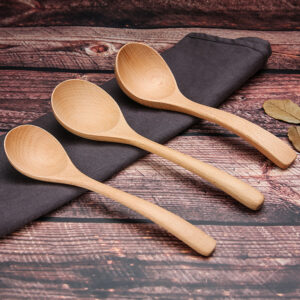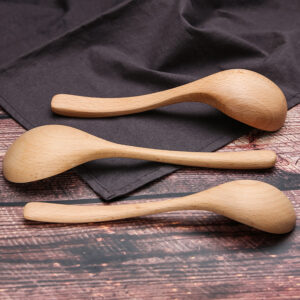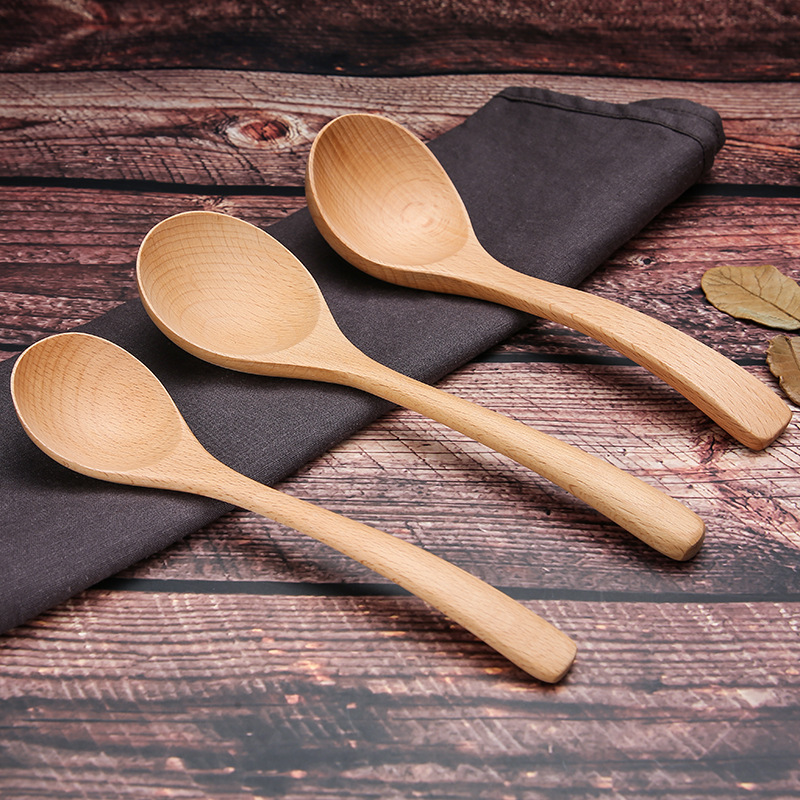
Wood Spoon: A Tool as Old as Cooking Itsel
Long before stainless steel, silicone, or non-stick coatings existed, there was the wooden spoon. Archaeological evidence suggests humans have been using wooden utensils for over 3,000 years—and for good reason. Simple, sustainable, and surprisingly sophisticated, the wooden spoon represents one of humanity’s most enduring kitchen tools.
In an era of high-tech gadgets and disposable cookware, this ancient utensil is experiencing a well-deserved revival. Here’s why professional chefs and home cooks alike are returning to their wooden roots.
The Unmatched Benefits of Wooden Spoons
1. Gentle on Your Cookware
Your expensive non-stick pans deserve better than metal scratches. Wooden spoons glide across surfaces without leaving marks, extending the life of your:
– Ceramic and Teflon-coated pans
– Cast iron skillets (seasoning stays intact)
– Copper and stainless steel cookware
– Enameled Dutch ovens
2. Naturally Antimicrobial
Research published in the Journal of Food Protection revealed something surprising: wooden cutting boards (and by extension, wooden utensils) possess natural bacteria-killing properties. The porous nature of wood actually draws bacteria into the grain, where they become trapped and die—unlike plastic, where bacteria can linger and multiply on the surface.
3. Heat Resistance Without the Meltdown
Leave a wooden spoon in a simmering pot of marinara. Forget it on the edge of a hot skillet. Unlike plastic that warps and melts, or metal that conducts heat straight to your hand, wood remains:
– Cool to the touch
– Structurally stable at high temperatures
– Safe for all cooking methods
4. The Perfect Texture for Cooking
Wood offers just the right amount of flexibility and grip. It won’t slip like metal, won’t bend like cheap plastic, and provides subtle feedback when scraping fond from the bottom of a pan. Serious cooks know: you can feel your food better with wood.
Caring for Your Wooden Spoon: The Essential Guide
With proper care, quality wooden spoons can last decades—some even become family heirlooms.
Daily Care:
– Hand wash only – Dishwashers cause cracking and warping
– Use mild soap – Harsh detergents strip natural oils
– Dry imediately – Don’t let wood sit in water
Monthly Maintenance:
– **Oil your spoons – Apply food-grade mineral oil or beeswax to prevent drying and cracking
– Sand if needed Light sanding removes stains and rough spots
When to Replace:
– Deep cracks that harbor bacteria
– Splintering or rough surfaces that won’t sand smooth
– Persistent odors or stains after cleaning
Pro Tip: Keep a dedicated “garlic/onion spoon” if you cook with strong aromatics frequently. Wood absorbs flavors over time—great for building a well-seasoned spoon, but not ideal when switching between savory and sweet dishes.
—
The Art of the Wooden Spoon: Craftsmanship Matters
Mass-produced wooden spoons from big-box stores often disappoint—rough finishes, weak handles, and wood that splits within months. Artisan-crafted spoons offer:
– Hand-selected wood with ideal grain patterns
– Carved (not lathed) bowls that fit the hand naturally
– Sanded-smooth surfaces that feel like silk
– Reinforced handles where they matter most
Supporting small woodworkers means investing in tools that improve with age rather than deteriorate.
—
Wooden Spoon as Gifts: Meaningful & Practical
Few kitchen items carry the symbolic weight of a hardwood spoon. Across cultures, it represents:
– Nurturing and home (the spoon that stirs family meals)
– Tradition and heritage (passed-down family recipes)
– Sustainability (a rejection of disposable culture)
Gift occasions perfect for wooden spoons:
– Housewarmings
– Weddings (especially with a family recipe attached)
– New homeowners embracing their first kitchen
– Eco-conscious friends making sustainable swaps
– Retirees rediscovering the joy of cooking
Recipes That Taste Better with Wood
Certain dishes seem to demand a hardwood spoon:
Risotto – The gentle scraping that releases starch without breaking grains
Tomato Sauce – Wood won’t react with acidity like metal can
Caramel – Precise temperature control without hot spots
Bread Dough – The right flex for folding without overworking
Polenta – Strength to stir thick, bubbling cornmeal
There’s a reason Italian nonnas and French chefs rarely reach for anything else.
—
Conclusion: Embracing Simplicity in a Complex World
The wooden spoon asks nothing of us—no batteries, no special cleaners, no replacement parts. It simply does its job, meal after meal, year after year, growing more beautiful and personalized with every use.
In choosing wood, we choose:
– Sustainability over disposability
– Craftsmanship over convenience
– Connection to our food and our heritage
Perhaps that’s why, after thousands of years, the wooden spoon remains undefeated. Some tools don’t need improving because they were perfect to begin with.
—
What’s your hardwood spoon story? Do you have a favorite that’s been in your family for years? Share in the comments below!
Ready to upgrade your kitchen with natural tools? Look for locally crafted wooden spoons at farmers markets, artisan shops, or reputable online makers who prioritize sustainable harvesting practices.